
Documentation is the new infrastructure
How AI coding assistants are transforming docs from an afterthought into a strategic asset

JSONC
The Missing Layer Between Design and Code

SEO in the era of GenAI crawlers: what it means for websites and embedded content
Search is evolving at high speed. We are now in a world where traditional crawlers like Googlebot and Bingbot are being joined (and in some cases partially replaced) by GenAI-powered crawlers such as Google Gemini, Perplexity AI, and ChatGPT’s browsing agent. This shift changes how we should think about SEO, metadata, and content discoverability, especially when embedding rich media such as videos, podcasts, or interactive widgets.
Run local LLMs on your Mac: llm-mlx, Apple MLX, and the power of the Mac mini M4
The dream of running powerful large language models (LLMs) locally, without GPU cloud costs or latency trade-offs, is not just alive — it’s thriving. Thanks to Apple’s MLX framework, the llm-mlx plugin, and the silicon magic of the Mac mini M4, running LLaMA 3.2, Mistral, and even larger models locally has become remarkably fast and easy.
Turbocharging transcription: Running whisper.cpp on a Mac mini M4
With the arrival of the Mac mini M4, Apple continues to redefine the balance between power efficiency and raw computing performance. When paired with a highly optimized tool like whisper.cpp — a C++ implementation of OpenAI’s Whisper model — the result is a surprisingly fast and local transcription pipeline that rivals cloud offerings.

Whisper by OpenAI: a new era for speech recognition
In recent years, speech-to-text technology has seen remarkable advancements, but few developments have stirred as much excitement as Whisper, OpenAI’s automatic speech recognition (ASR) system. Released as open-source in 2022, Whisper quickly captured the attention of developers, researchers, and audio professionals thanks to its state-of-the-art performance, broad language support, and ease of use.
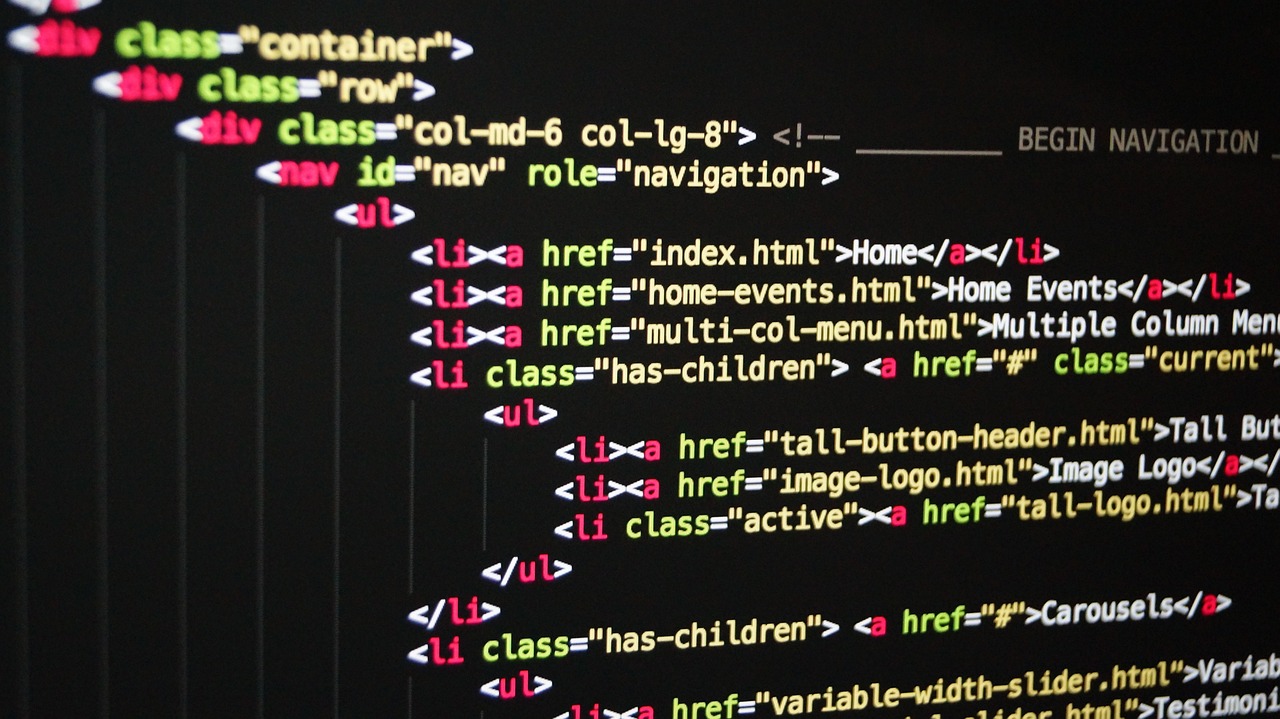
Supercharge your static site with Markdown content
Embedding Markdown with edge JavaScript on Bunny.net
Building with Bunny.net
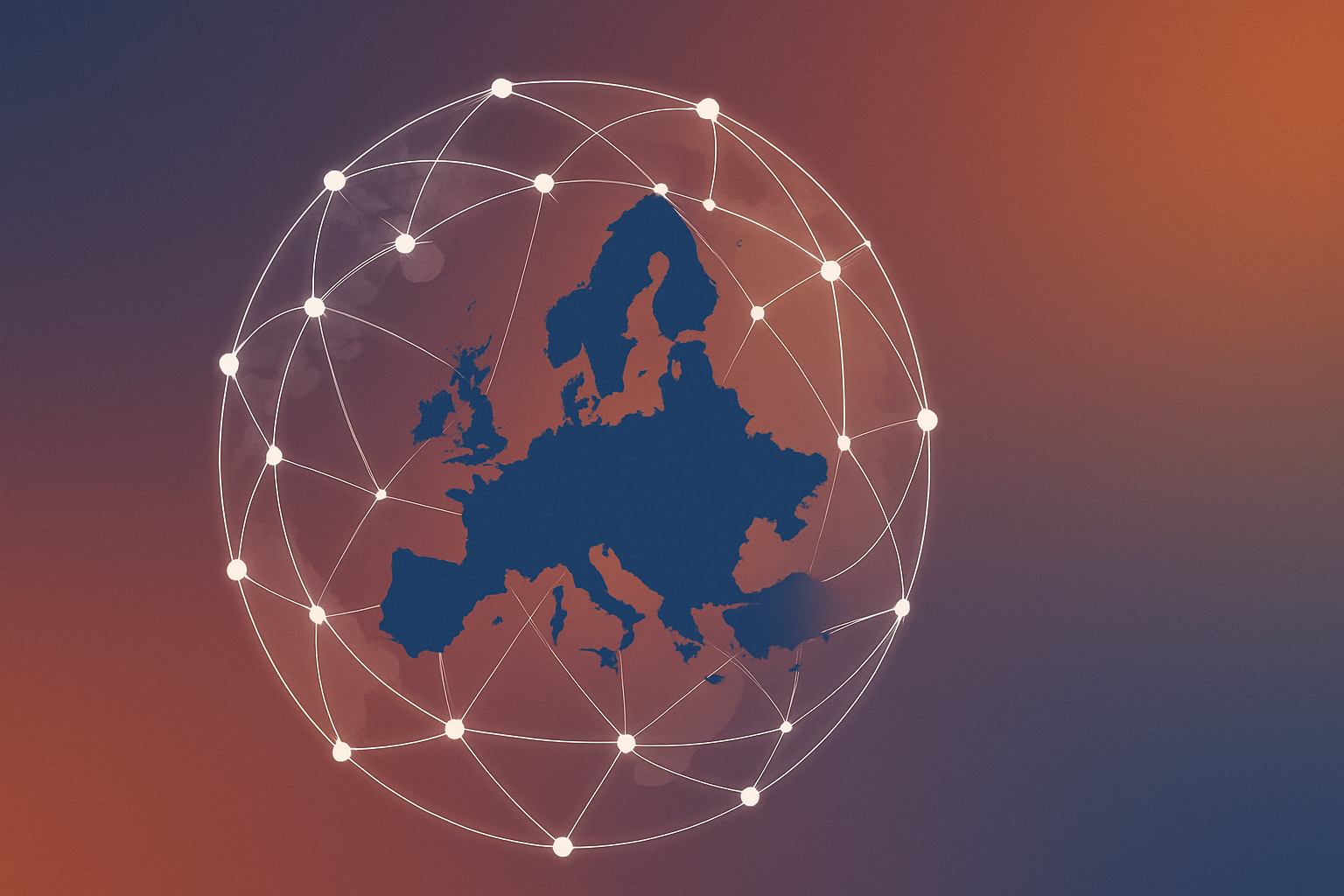
In a world dominated by hyperscalers and heavyweight cloud providers, it’s rare to find a platform that feels refreshingly simple yet powerful — and even rarer to find one that hails from Europe. Enter Bunny.net, a quietly brilliant company that’s reshaping how developers build and deploy modern websites and applications.
AI: myths, meaning, and the middle ground
Artificial Intelligence (AI) is no longer just a buzzword for startups or sci-fi films. It’s embedded in our tools, our policies, our fears, and our hopes. From political speeches in Europe to podcasts from Silicon Valley, AI has become a defining topic of our era — both celebrated and feared. But what is AI really? Is it coming for your job, your creativity, your data… your soul? Is it going to save the world, or drain the power grid while trying? Let’s take a step back. Let’s unpack what AI actually is, bust some common myths, explore its risks — and look at how voices like Ben Affleck, Sam Altman, Trevor Noah, Emmanuel Macron, Simon Sinek, Brad Smith, and Jensen Huang are helping us reframe the conversation.

Is Open Edge a true edge CDN — or the blueprint for what comes next?
A former Datacenter and CDN engineer reflects on the shortcomings of centralized content delivery — especially in the wake of a regional outage — and explores how Qwilt’s federated, telco-embedded Open Edge architecture represents a shift toward a truly distributed edge CDN model.
Europe’s AI factories: blueprint for a sovereign AI future
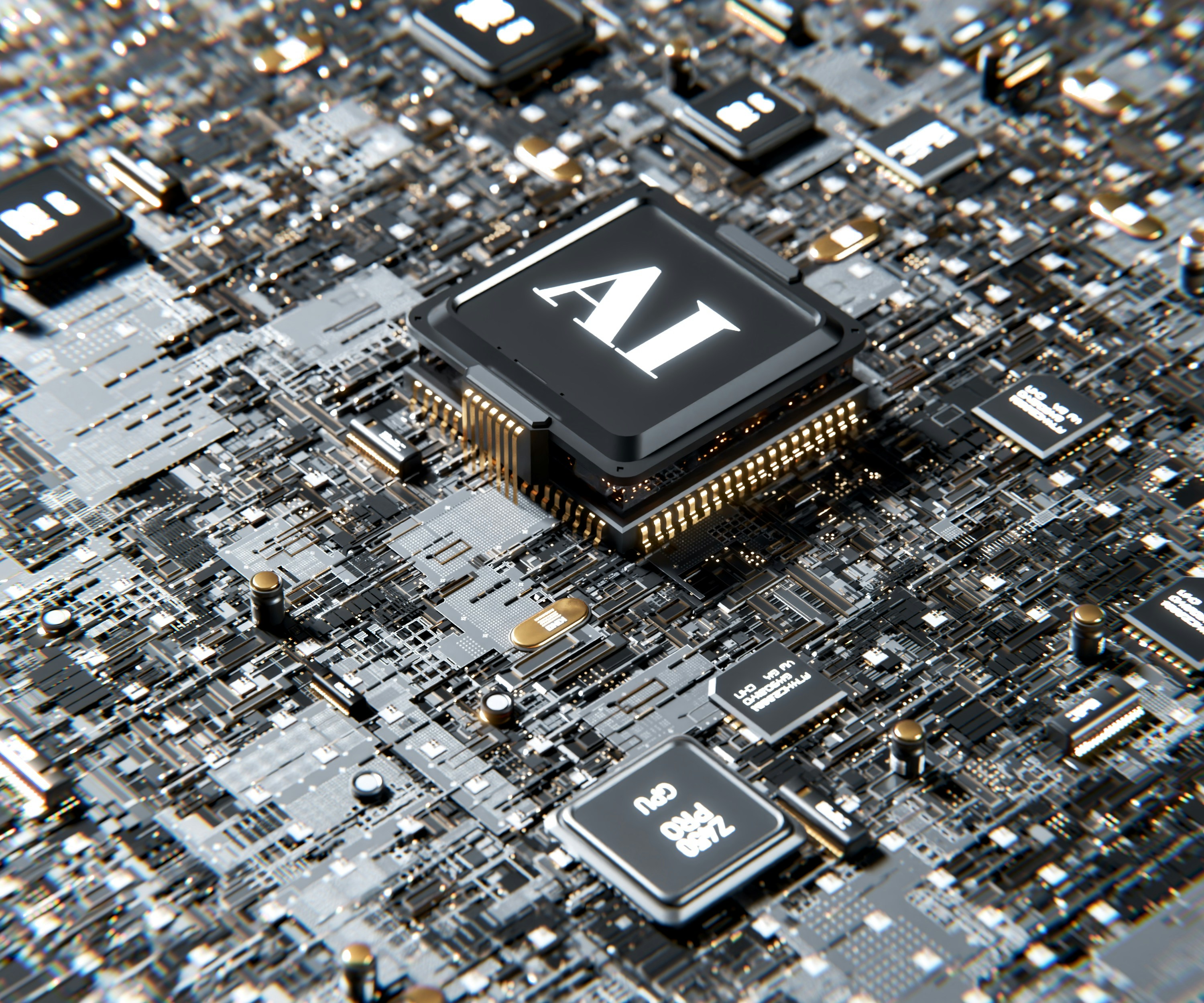
When Jensen Huang took the stage at VivaTech 2025 in Paris, he didn’t just talk about GPUs or new chips. He painted a sweeping vision of Europe’s transformation — from an AI consumer to an AI producer, architect, and ultimately, sovereign powerhouse. At the center of this shift is the concept of the AI Factory. These are not just data centers. They are modern intelligence production plants — purpose-built to train massive AI models, simulate virtual worlds, power autonomous systems, and serve real-time AI across every industry. And Europe is building them at an unprecedented pace.

Leading in Tech: beyond hierarchy and into influence
In the fast-paced world of tech, leadership isn’t just a title — it’s a mindset. While traditional leadership often conjures images of direct managers guiding teams and making decisions, many of the most impactful leaders in technology operate without formal authority. Whether you’re leading a Solution Engineering team, guiding Product Management decisions, or enabling teams across a global organization, leadership today is increasingly defined by your ability to influence, inspire, and align.


Product Thinking
From Customer Requests to Meaningful Innovation
The day the grid went dark – and the taps ran dry
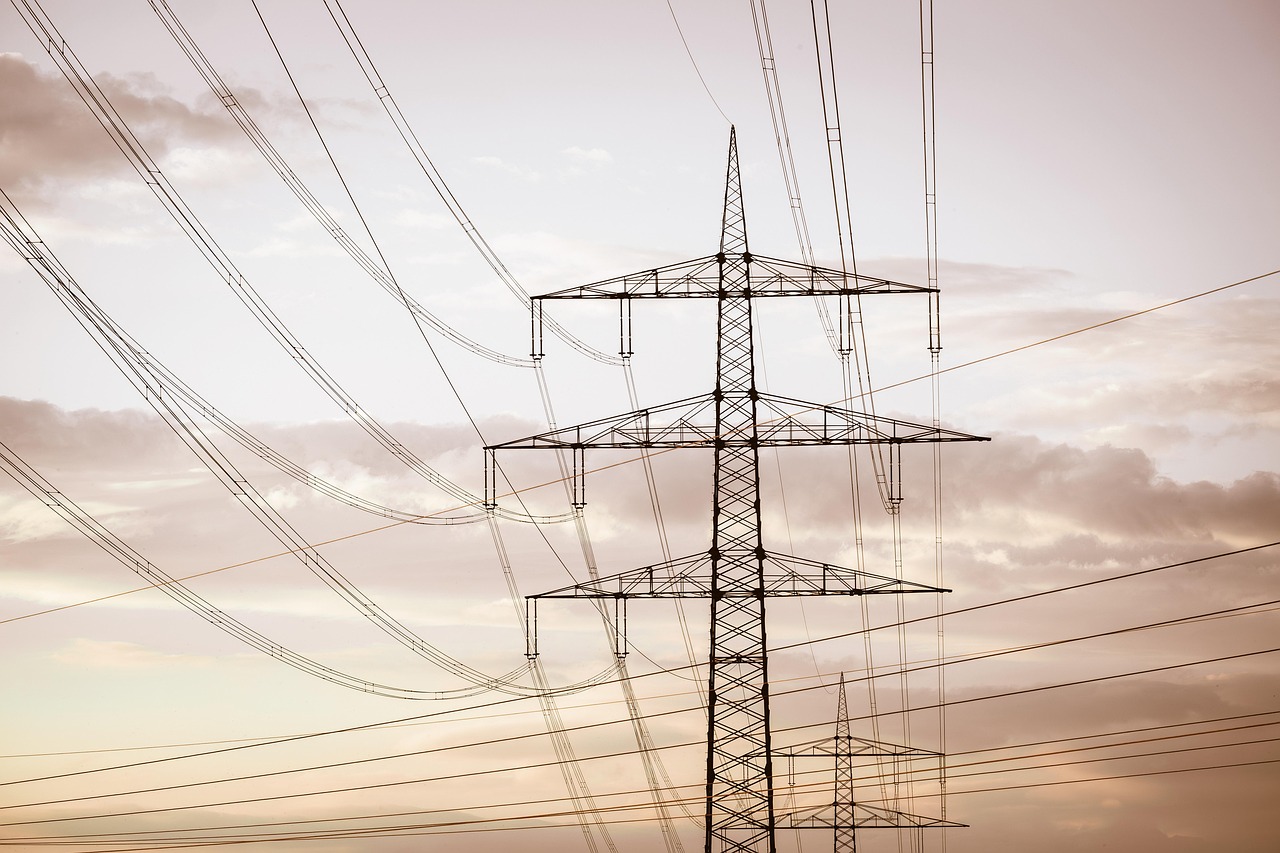
Reflecting on the massive Iberian power outage

Starlink vs. Eutelsat: a European Tech advocate’s frustrating dilemma
As someone who actively seeks out and supports European technologies, I find myself in a frustrating predicament. I live and work in a location where a reliable internet backup — ideally satellite-based — would provide essential connectivity. With an eye on sovereignty, local innovation, and digital autonomy, I would love nothing more than to choose a European satellite solution. But the market reality makes this nearly impossible.

"Plug, baby, plug" - Emmanuel Macron at the Paris AI Action Summit
A bold vision: an AI-powered future built not on fossil fuels, but on sustainable infrastructure, digital sovereignty, and ethical innovation.

Stop selling the pen – start understanding the problem
In the high-stakes world of B2B tech, it’s far too common for Sales and Sales Engineering teams to jump to action without fully understanding the “why” behind a customer’s request.

ffmpeg
FFmpeg is a powerful open-source software suite used for handling multimedia data — including audio, video, and images
PowerDNS: Europe’s Quiet Giant of DNS Infrastructure
In a world dominated by tech giants from Silicon Valley, it’s easy to overlook the quiet excellence of European software projects that form the invisible backbone of the internet. PowerDNS, based in The Netherlands, is one such project — a DNS server software suite with enterprise-grade capabilities, a strong open-source heritage, and a reputation for performance and flexibility.

Create your own dynamic DNS Server with PowerDNS
Create your own dynamic DNS Server with PowerDNS and configure NGINX to SSL frontend the REST API of the PowerDNS Authoritative server
Install PowerDNS Authoritative server
PowerDNS is a simple free DNS Authority available on Linux. It will require EPEL to install. A third-party GUI called PowerAdmin is also available. This requires PHP-Remi.
Install PowerDNS Recursor
PowerDNS is a simple free DNS Recursor available on Linux. It will require EPEL to install.
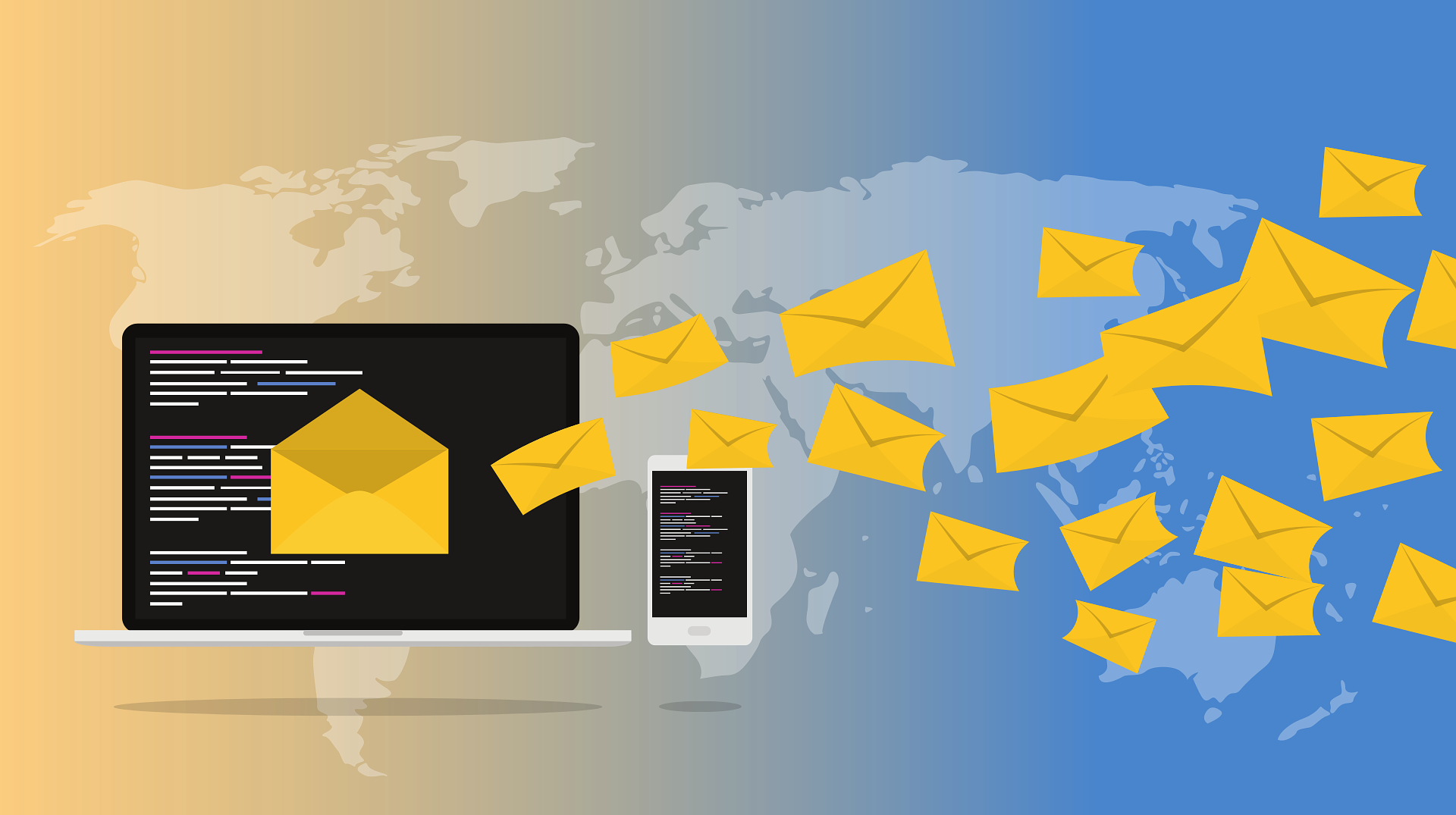
SPF, DKIM and DMARC to send authenticated emails
An explanation of what are Sender Policy Framework (SPF), Domain Keys Identified Mail (DKIM) and Domain Message Authentication Reporting (DMARC) and how to configure the various DNS records
httpie - a great API client
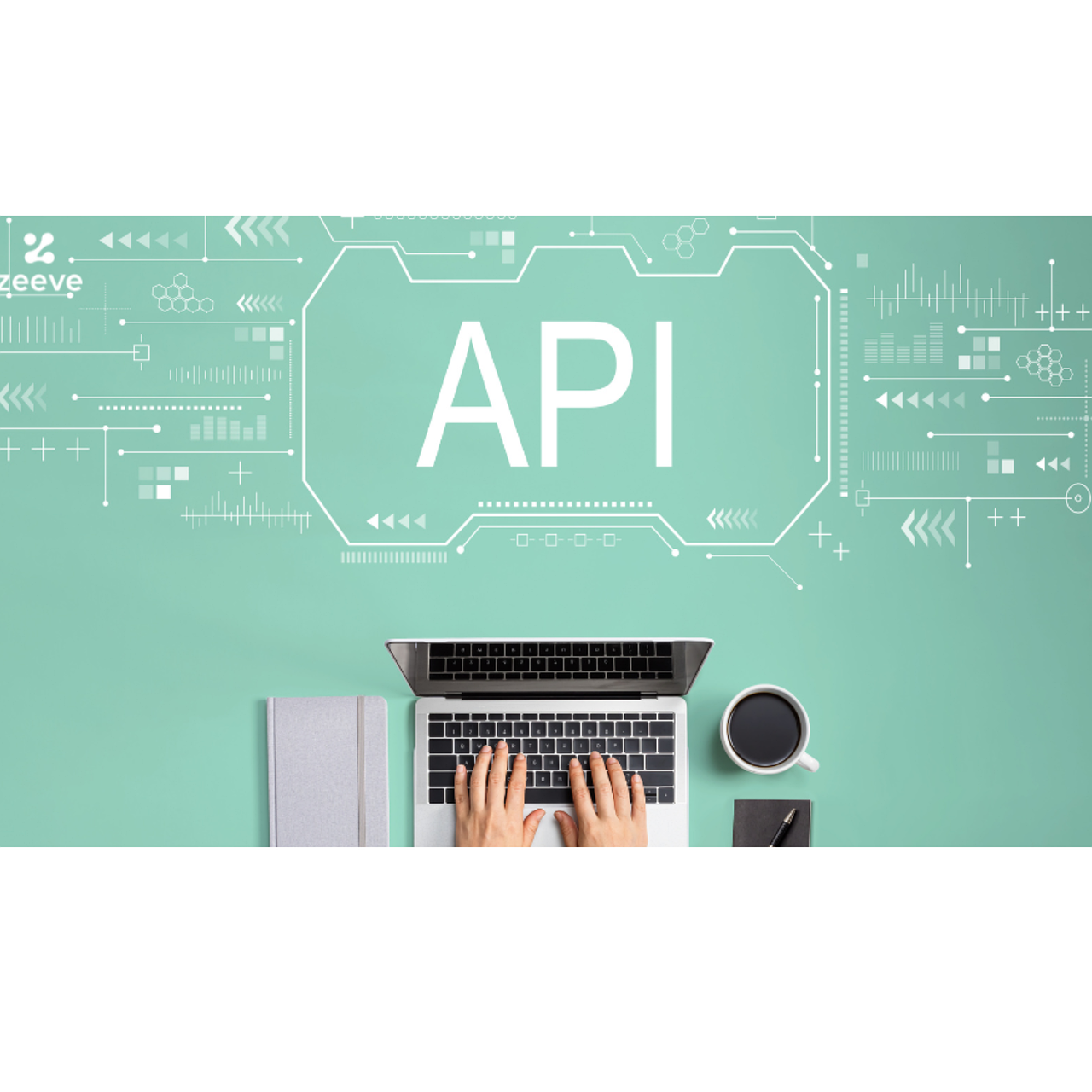
HTTPie (pronounced as *aitch-tee-tee-pie*) is a command-line HTTP client that allows you to easily explore APIs before you spend the effort to code a client using a programming language like Python, Ruby, Go, etc.

Demystifying CNAMEs and how CDNs use them to deliver fast, global content
If you’ve ever set up a website using a Content Delivery Network (CDN), chances are you’ve encountered the term CNAME. It might sound like just another technical acronym, but understanding how CNAMEs work — and how CDNs use them — is crucial to delivering fast, secure, and reliable web experiences.